



The Security and Speed of Cloud-Based Electronics Design for Engineering Teams

At a Glance
Discover why modern cloud-based electronics design platforms can provide stronger security, better collaboration, and lower operational risk than aging on-premises infrastructure.


When managing project risk, over-reliance on aging, unpatched on-premises software introduces compounding risks that many engineering teams underestimate. While keeping data on local servers can feel intuitive, neglected or under-resourced on-premises infrastructure often creates significant security vulnerabilities, particularly when it lacks the dedicated security investment that leading cloud providers make as a core part of their business. Today's fast-moving digital landscape increasingly demands integration, collaboration, and rapid iteration that isolated software applications and siloed data struggle to support.
To reduce the risk of breaches via compromised or outdated systems, engineering teams should evaluate whether native cloud-based electronics design platforms better match their security posture and collaboration needs. Modern security must be consistently governed across wherever data lives, whether on-premises or in the cloud. For teams that need to protect proprietary IP while collaborating with global partners and heavily regulated clients, a well-architected cloud workflow has become a compelling and, for many organizations, the stronger business choice. Here is why.
Key Takeaways
- On-premises cybersecurity management becomes increasingly complex in a globalized landscape. The traditional approach to on-premises cybersecurity strains when teams are distributed worldwide. Under-resourced IT teams managing localized servers face fragmented environments, manual patching delays, and physical vulnerabilities that can introduce compounding risk, particularly when security investment doesn't keep pace with evolving threats.
- Well-resourced cloud platforms can deliver a strong, proactive security baseline. Shifting to the cloud offloads infrastructure maintenance to specialized providers, replacing slow manual updates with continuous, automated patching and support for Zero Trust frameworks; benefits that are difficult for most internal IT teams to match at scale.
- Cloud platforms can simplify secure collaboration for highly regulated industries. By moving from a risky file-sharing model to a controlled access-sharing model, cloud platforms help teams meet compliance requirements in aerospace, defense, and medical device design, enabling location-gating and granular visibility without slow, external file-transfer workarounds.
- Embedded governance supports enterprise growth without sacrificing speed. Combining tools like RBAC, SSO, and tamper-proof event logs means that protecting intellectual property doesn't have to become a bottleneck for design velocity.
The Reality of Modern Cloud Security: Is It Safe?
The idea that on-premises software is inherently more secure than the cloud is an oversimplification that can work against sound risk management. While keeping data on local servers offers certain advantages (network isolation, direct physical control, no dependence on third-party infrastructure), the modern cybersecurity landscape increasingly favors cloud architectures for teams that lack dedicated, well-resourced IT security functions.
Physical servers do carry real vulnerabilities: distributed teams face friction accessing centralized data, and manual patching cycles can lag behind emerging threats. For organizations whose engineering teams are globally dispersed, maintaining consistent security across fragmented on-premises infrastructure is a genuine operational challenge. Physical access points, including on-site server rooms and inadequately secured endpoint devices, represent attack surfaces that require ongoing, resource-intensive management. A compromised endpoint on an under-secured on-premises network can, in some configurations, provide lateral access to broader systems.
Hardware theft or vandalism also poses a meaningful risk to locally stored operational data. While recovery from local backups is entirely possible with properly maintained backup infrastructure, gaps in backup discipline or recovery planning can make restoration slow and disruptive to an active design project; a risk that cloud-based redundancy and automated backup systems are specifically designed to mitigate.
Dimension | On-Premises | Cloud-Based |
Patching & updates | Manual cycles; secure when well-resourced, but lags under stretched IT teams | Automated, continuous patching by the provider; no engineering downtime required |
Physical security | Air-gapped systems offer strong isolation; unencrypted endpoints and server rooms are genuine attack surfaces | Tier 3/4 data centres with biometric access, redundancy, and 24/7 monitoring most organizations can't match |
Data recovery | Possible with disciplined backup practices; poor backup hygiene can make restoration slow and disruptive | Automated geo-redundant backups; recovery is faster and less dependent on internal process discipline |
Distributed team access | VPNs and remote access tools work, but latency and fragmented access add friction for globally dispersed teams | Browser-based access from anywhere; Zero Trust frameworks verify users continuously regardless of location |
IP & file control | File-sharing workflows (email, USB) risk losing control of design data once it leaves the managed environment | Access-sharing model keeps raw IP in a central environment; permissions are granular and instantly revocable |
Compliance & audit | Can meet strict standards (defence, medical), but requires significant internal resource to maintain and evidence | SOC 2, RBAC, and tamper-proof event logs built in; third-party audits reduce internal compliance burden |
Modern Cloud Security Among Electronics Design Collaborators
On-premises infrastructure presents real challenges when internal IT teams are under-resourced for verification, patching, and maintenance. Stretched IT functions often face delays when responding to incidents or lack the bandwidth to prioritize continuous cybersecurity updates, and it is in precisely these organizational contexts that cloud-based architecture offers a meaningful advantage.
A well-architected cloud platform shifts infrastructure maintenance to a specialist provider, meaning security updates are applied automatically and consistently across all users. This reduces the operational burden on engineering teams and lowers the risk of patch gaps without requiring workflow interruptions for manual system upgrades.
Improved IP Protection
Traditional file-sharing workflows, emailing design packages or transferring via external drives, create genuine control gaps once data leaves the managed environment. Cloud-based architecture addresses this by replacing file sharing with access sharing: the core IP remains in a centralized environment, and internal teams or external contractors interact only with the specific layers or sheets they are authorized to see.
Security Across Distributed Teams
Globally dispersed teams do create complexity for on-premises security setups, which typically require physical access to update or reconfigure. Cloud platforms embed security at the software layer, meaning cybersecurity improvements can be deployed globally without touching local hardware, a practical advantage for organizations onboarding external partners across multiple geographies.
Zero Trust Frameworks
Cloud architecture makes it significantly easier to implement a Zero Trust security model, in which access to sensitive IP requires continuous verification regardless of where an engineer is logging in from. This is achievable on-premises, but operationally complex to maintain without a dedicated security infrastructure.
Support for Regulated Industries
Cloud platforms increasingly offer configurable data residency, audit logging, and compliance tooling suited to aerospace, defence, and medical device requirements. A well-chosen cloud platform can reduce reliance on slow, manual file-transfer workarounds, though organizations should verify that any platform meets their specific regulatory obligations rather than assuming compliance.
Security Compliance and Governance for Engineering Teams
For multidisciplinary electronics teams, spanning engineers, reviewers, sourcing, manufacturing, and external stakeholders, keeping design data secure without creating workflow bottlenecks requires multiple elements working in concert. Beyond the design platform's built-in features, teams benefit from standardized frameworks like SOC 2 and Single Sign-On (SSO) that strengthen access control without adding friction to day-to-day collaboration.
- SOC 2 Compliance. This framework means that a cloud provider's security, availability, and confidentiality practices have been verified by an independent third-party auditor. For engineering teams managing proprietary schematics and component data across multiple contributors, choosing a SOC 2 certified platform provides meaningful assurance that the infrastructure meets established safeguarding standards, reducing the burden on teams to audit cloud security themselves. It doesn't eliminate all compliance considerations, but it provides a credible, externally validated baseline.
- Single Sign-On (SSO). As teams grow to include engineers, contractors, sourcing partners, and manufacturing contacts, managing individual credentials across roles becomes unwieldy. SSO integrates with an organization's existing identity provider, giving administrators centralized control over who can access which design files and making it straightforward to onboard or offboard contributors without creating orphaned access. It also reduces password fatigue for team members moving between tools throughout the design cycle.
Governance Strategy
When it comes to governance-related security concerns, the greatest risks stem from manual processes and the unmonitored use of data. Engineers often download native design files locally, risking IP exposure through unencrypted external drives and unauthorized consumer cloud storage products.
Once a file leaves the managed ecosystem, the threat enters. Data extracted from a secured platform acts as a gateway for bad actors to access that information on vulnerable edge devices. Moreover, allowing local downloads means that IP is left to stakeholder discretion and can no longer be secured by organizational mechanisms.
Oftentimes, engineers must bring contractors and external clients into the fold, but much of the information contained in schematics and layers must remain protected for internal use. The challenge lies in maintaining this boundary without creating a bureaucratic bottleneck that slows the project down. To solve both the security and speed dilemma, modern cloud-based governance offers targeted benefits.
Role-Based Access Control (RBAC)
Not every contributor to a design project needs the same level of access, and granting more than necessary creates unnecessary exposure. RBAC addresses this by restricting what each user can see and do based on their role in the project.
Third-party manufacturers, for example, typically need access to fabrication outputs like Gerbers, ODB++, and BOMs to do their job. They generally have no need to view schematic sheets, microcontroller firmware source code, or internal engineering design notes, and limiting that access reduces the risk of sensitive IP reaching outside the intended scope. A layout contractor, by contrast, needs working access to schematics and layouts, but rarely has any use for BOM data.
The principle at work is least privilege: each contributor gets exactly what they need to execute their part of the project, and nothing more.
Comprehensive Event Logs and Auditing
Even in a controlled access-sharing environment, there are legitimate cases where design data needs to be exported and distributed, particularly in aerospace, defense, and medical device contexts where auditors or regulatory bodies require submitted documentation. When that happens, knowing exactly who accessed what, and when, becomes critical.
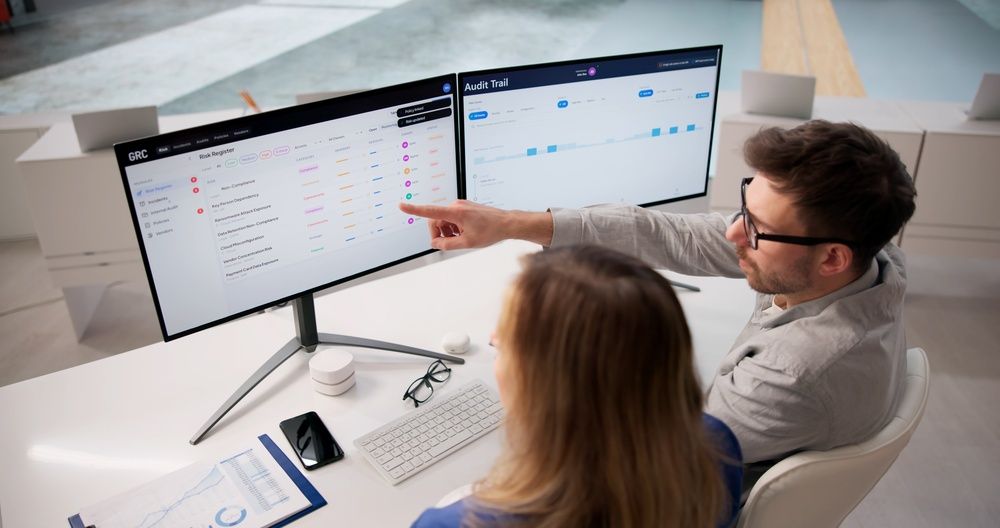
Cloud-based design platforms are well-suited to this through persistent event logging: tracking user logins, file interactions, permission changes, and export events in a tamper-resistant record. For regulated industries, this kind of audit trail isn't just operationally useful but is a compliance requirement. It also gives project leads visibility into how design data is moving across contributors, making it easier to identify anomalies or unauthorized activity before they become a larger problem.

Secure Designs with Data-Driven Workflows
Data is the core asset of any electronics hardware development team, but traditional security methods often treat it like a liability, locking it down behind slow, manual controls that create friction without meaningfully reducing risk. Modern cloud-based design platforms like Altium Agile Teams take a different approach, embedding security directly into the engineering workflow so it supports collaboration rather than obstructing it.
By combining granular access control, automated compliance tooling, and persistent audit logging, multidisciplinary teams don't have to choose between protecting their IP and maintaining design velocity. A well-architected cloud environment gives teams the structure they need to move fast together: collaborating across functions, onboarding contributors with the right level of access, and keeping every stakeholder aligned without slowing down execution.
Ready to see how Agile Teams brings this to your workflow? Learn more about Altium Agile Teams →
Frequently Asked Questions
Is cloud-based electronics design more secure than on-premises infrastructure?
It depends on implementation, but modern cloud platforms often provide stronger security baselines through continuous patching, dedicated security teams, encrypted data storage, and independent compliance audits. Many engineering organizations struggle to maintain the same level of security investment in-house.
How do cloud platforms protect PCB design files and intellectual property?
Cloud platforms protect IP through role-based access control (RBAC), Single Sign-On (SSO), encryption, and detailed audit logs. Instead of sharing files, teams can share controlled access to projects, making permissions easier to manage and revoke.
Can cloud-based electronics design support aerospace, defense, and medical device projects?
Yes. Many platforms offer features such as audit trails, data residency controls, granular permissions, and compliance support. However, engineering teams should verify that a platform meets their specific regulatory requirements before adoption.
How does cloud-based design improve collaboration for distributed engineering teams?
Cloud-based tools give authorized users access to the latest design data through a browser, eliminating version-control issues caused by email attachments and local file copies. This helps electrical, mechanical, procurement, and manufacturing teams collaborate in real time from any location.

About Author
Related Resources
Related Technical Documentation
Table of Contents
- Key Takeaways
- The Reality of Modern Cloud Security: Is It Safe?
- Modern Cloud Security Among Electronics Design Collaborators
- Security Compliance and Governance for Engineering Teams
- Secure Designs with Data-Driven Workflows
- Frequently Asked Questions
- Is cloud-based electronics design more secure than on-premises infrastructure?
- How do cloud platforms protect PCB design files and intellectual property?
- Can cloud-based electronics design support aerospace, defense, and medical device projects?
- How does cloud-based design improve collaboration for distributed engineering teams?
Solutions for Every Role and Team
- Discover and evaluate design options earlier
- Develop in one shared workspace
- Scale with control and compliance
- Connect every stage of hardware development
Learn More
Thank you, you are now subscribed to updates.