


How PCB Designers Can Be Good Customers: A Fabrication Perspective


A strong partnership with your fabrication services company can mean the difference between a smooth production process and costly delays. From a fabricator's perspective, certain practices from customers can elevate a designer from just another client to a valued partner, or it can cause your quote requests to be pushed to the back of the line. Here's a guide on how PCB designers can be the best customers, ensuring a high level of service and fostering strong relationships with their fabricators.
Understand the Fabricator’s Process and Capabilities
A fundamental step in becoming a good customer is understanding your fabricator's process and capabilities. Sometimes, you need to go through a build process with a fabrication house to better understand how they operate. Each fabricator has unique strengths and limitations, and aligning your design requirements with these can prevent many potential issues.
Initiate discussions with your fabricator early in the design process. If you are fabricating anything other than a simple board, you will need to determine the fabricator’s capabilities and material options. The design team can get this information quickly just by sending an email. This information is an important subset of your fabricator’s broader DFM guidelines. Designs that comply with these guidelines are easier to produce, which reduces the risk of errors and delays.
Provide Clear and Complete Documentation
A fabrication house needs to have complete documentation on your build requirements in order to provide a quote and proceed with production. The fabrication house needs the standard set of build files, and that means Gerber files, ODB++, or IPC-2581 exports. Include all necessary PCB layers in the export (copper, silkscreen, solder mask, and drill drawing).
Clear and precise documentation minimizes the back-and-forth for clarification, speeding up the process. Unfortunately, Gerbers only contain a small amount of the documentation needed to fully quote and proceed with a fabrication run. Other important information required is:
- Fabrication drawing with notes
- A drill drawing showing a drill table
- NC drill data that matches your drill drawing
- A mechanical drawing may be needed if the board shape is unusual
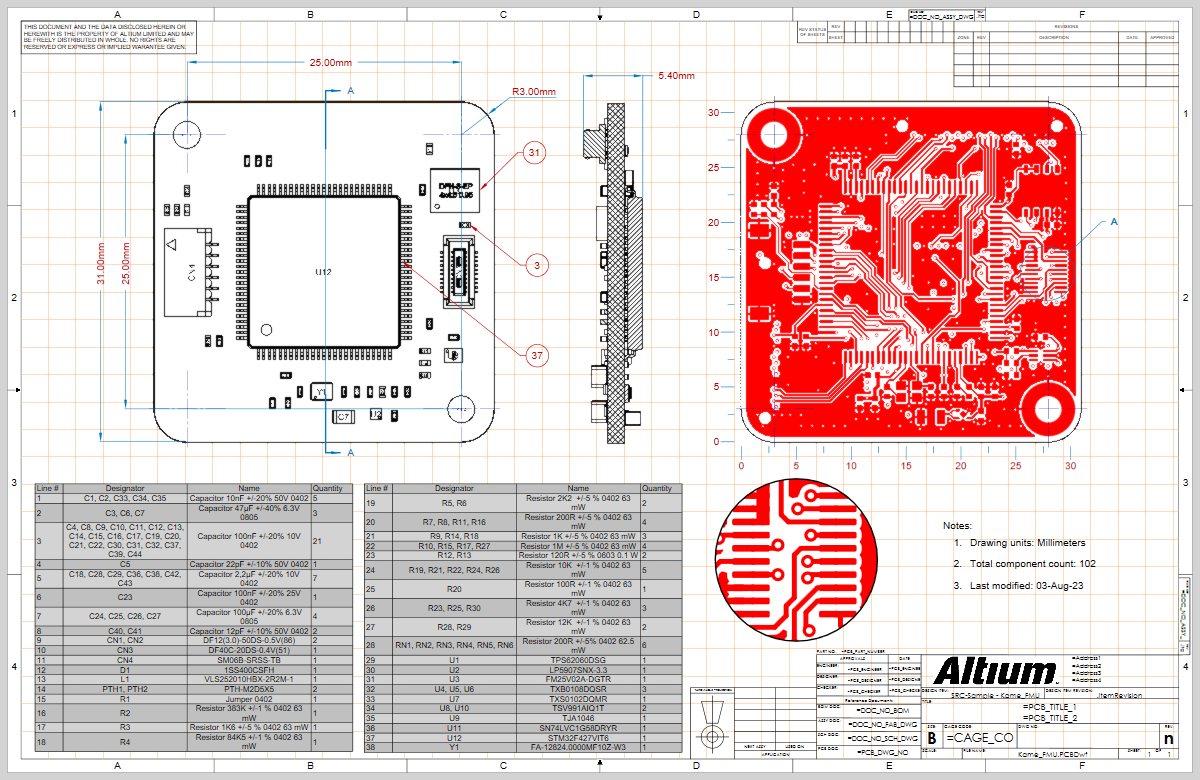
If you leave out a fabrication drawing with complete fabrication notes (see also this resource on rigid-flex PCB fabrication notes), then the fabrication house will request this, or they will ask that you specify all fabrication details in the PCB.
Complete fabrication drawing documentation in Draftsman.
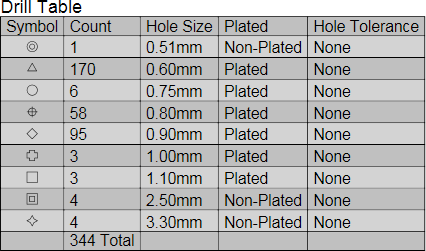
A complete drill table and corresponding are very useful for helping the fabrication house determine the processing needs for the upcoming build. Rather than rebuilding a drill table from NC drill data, including a drill table and drill drawing in the fabrication documentation package allows the fabricator to see exactly what drills are being used, how many drill hits are in the PCB, the acceptable drill size tolerances, and the layer pairs involved.
Learn more about generating drill tables in your Draftsman document in the Altium Documentation.
If any of this information is excluded or omitted from the fabrication package, don’t be surprised when the fabrication company contacts you requesting more information. This slows down the process of getting the PCB into fabrication and pushes back your delivery date.
Foster Collaborative Relationships
Building a strong, collaborative relationship with your fabricators goes beyond technical details. It involves mutual respect, trust, and open communication.
Managing relationships with multiple fabricators can be challenging but necessary for flexibility and risk management. Balancing these relationships while being a good customer requires strategic planning and transparent communication.
- Clear Expectations: Set clear expectations with each fabricator about your project timelines and quality standards. Consistency in your expectations helps fabricators understand your needs and deliver accordingly.
- Transparent Communication: Be transparent about your work with other fabricators, especially if it involves sharing the workload on a single project. Clear communication about each fabricator's role prevents misunderstandings and fosters a cooperative environment.
- Fair Distribution of Work: Distribute your work fairly among fabricators based on their strengths and current workload. This not only helps you leverage their unique capabilities but also ensures that no single fabricator is overwhelmed or underutilized.
Advantages of Being a Good Customer
Being a good customer has tangible benefits that can significantly impact your project’s success and your relationship with your fabricators.
- Priority Service: Fabricators are more likely to prioritize your projects if they know you are a reliable and respectful customer. This can be critical when timelines are tight.
- Improved Quality: A strong, collaborative relationship encourages fabricators to go the extra mile to ensure high-quality outcomes. They are more likely to invest time in understanding your needs and providing solutions tailored to your requirements.
- Enhanced Innovation: Regular, open communication with your fabricators can lead to innovative solutions. They may suggest design improvements or new technologies that you hadn’t considered, enhancing the overall quality and performance of your product.
In conclusion, being a good customer in the PCB fabrication world revolves around clear communication, mutual respect, and strategic collaboration. By understanding your fabricator's processes, providing a comprehensive documentation, fostering a collaborative relationship, and balancing your interactions with multiple fabricators, you can ensure a smooth production process, high-quality results, and a strong, mutually beneficial partnership.

关于作者
Related Technical Documentation
目录
Solutions for Every Role and Team
- Discover and evaluate design options earlier
- Develop in one shared workspace
- Scale with control and compliance
- Connect every stage of hardware development
Learn More
Thank you, you are now subscribed to updates.




 沪公网安备 31010502006411号