




SAP (Semi-additive PCB process): The Basics

At a Glance
Expert Tara Dunn answers what are semi-additive PCB fabrication processes and what are the benefits? Read now and learn more about SAP.


What are semi-additive PCB fabrication processes, and what are the benefits?
There are a lot of terms being bandied around when discussing new manufacturing processes available that give PCB fabricators the ability to form traces and space not only below the typical three mil line and space but even below the most advanced subtractive etch processes capable of 2 mil line and space.
From a design perspective, this new capability is exciting. There are many ways to apply these new capabilities. The most clear-cut benefit is the ability to miniaturize the footprint of the PCB to either miniaturize the overall electronic unit or free up valuable real estate for other items such as an improved battery.
Another clear benefit is the ability to reduce routing layers needed in the PCB design with this tight-pitch, or even not-so-tight-pitch BGA’s. Reduced layer count is always a benefit to both cost and reliability, but that benefit is especially magnified when this allows the PCB designer to reduce the number of micro-via layers and the number of lamination cycles required during fabrication. This will provide a yield improvement at fabrication, shorten the printed circuit board lead time, and subsequently improve both cost and reliability.
Perhaps a little less intuitive without an understanding of these semi-additive PCB processes is the signal integrity improvement. I will jump into an overview of the differences between subtractive etch processing and semi-additive processing later in this blog. But at a 10,000-foot level, semi-additive processes have much more tightly controlled line width and space, controlled by imaging capabilities rather than the copper etching process, which sets the capabilities of most fabricators today. This tight control results in improved impedance, among other advancements we will explore in future blogs.
Let’s start with some basic terminology:
Subtractive Etch PCB Process: This traditional PCB fabrication technique begins with laminate, a base dielectric material coated with copper on both sides. This copper is typically ¼ oz or greater. The circuit pattern is formed by patterning and etching away the unnecessary copper.
Semi-Additive PCB Process: This process is not new to electronics but is new to PCB fabrication. With semi-additive processes, rather than removing unneeded copper, electrolytic copper is added to a thin electroless seed layer of copper and then flash etched to remove that very thin layer of electroless copper.
Modified Semi-Additive PCB Process: The mSAP technology is what we hear about in relation to the high-volume smartphone market. This process starts with a very thin layer of copper foil, and the circuit pattern is formed by adding additional copper to create the circuit pattern and then etching away that seed layer.
SLP (Substrate Like PCBs): This term references printed circuit boards being manufactured with additive or semi-additive processes. The finer feature capabilities start to resemble substrate-level feature sizes yet are being built on the traditional larger panel sizes at PCB fabricators.
What are the Key Differences between the SAP process and the mSAP process?
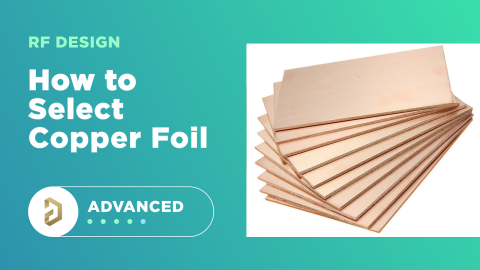
While SAP processes and mSAP processes are similar, the key difference is the starting copper layer. SAP has a thinner starting copper thickness, often ten times thinner, so the etching to remove the seed layer is much faster with very little effect on the trace structure itself. mSAP is a foil copper and will tend to have a bit more of a trapezoidal shape and not quite as fine of trace and space feature size. The copper thickness designation between SAP and mSAP is typical as 1.5 microns of copper and below for SAP.
As an overview of the basic processing steps to form these fine features:
The SAP process begins with bare dielectric and applies a very thin layer of electroless copper. As a point of reference, Averatek’s A-SAP™ process begins with .2 microns of electroless copper. mSAP technology will typically begin with a copper foil, often 2 microns or slightly thicker. From there, the process steps are similar:
- Photoresist application
- Photoresist imaging
- Electrolytic copper plating
- Photoresist strip
- Electroless copper or thin copper foil etching.
This etching process is where the differences in the processes are most notable. Because mSAP is starting with a thicker foil, the fabricator is typically limited somewhere near 30-micron trace/space, and the trace will have a slightly trapezoidal shape.
Because SAP processes have such a thin electroless copper base, the etching has no real impact on the trace, leaving straight trace sidewalls, and the ability to form traces well below 25 microns (1 mil) provided by the fabricator has imaging equipment capable of resolving to those fine feature sizes.
After this copper foil etching process, both the mSAP and the SAP processes follow the typical PCB fabrication processes.
How to work with your Printed Circuit Board fabricator:
I reached out to Dr. Meredith LaBeau, Calumet’s CTO, to ask for her thoughts on how to work with fabricators when learning and applying for these semi-additive PCB technology benefits. In her words, “What stands out most is the dire need for a technology that can achieve fine lines and spaces, while also utilizing some of the most advanced HDI features, along with extremely low loss material. These customers often must look overseas for manufacturing, which comes at a cost: long lead times or re-designing the boards to meet the current domestic technology, often dumbing down the backbone of the electronics system. The use of this innovative and transformative manufacturing method requires a new approach to design: with manufacturing instead of for manufacturing. Together, the designer and manufacturer can develop a collaborative approach to Drop the SWAP - while increasing the reliability and robustness of the PCB for next-generation electronics systems.”
Over the following few blogs about additive PCB technology, we will take a deeper dive into the benefits to PCB designers, preliminary design review questions and answers, and discuss real-world applications. Please comment with any specific questions you would like to see addressed!
The design tools in Altium Designer® contain everything you need to keep up with new technology. Start your free trial of Altium Designer + Altium 365 today.

关于作者
Related Technical Documentation
相关资源
目录
Solutions for Every Role and Team
- Discover and evaluate design options earlier
- Develop in one shared workspace
- Scale with control and compliance
- Connect every stage of hardware development
Learn More
Thank you, you are now subscribed to updates.

 沪公网安备 31010502006411号